
Four ways connected agriculture can boost productivity and profitability in 2026
Four ways connected agriculture can boost productivity and profitability in 2026
By Jan Jesman, Technical Director at Panorama Antennas
Modern agriculture faces a perfect storm of challenges.
Climate change, severe weather and resource constraints, combined with geopolitical instability and the rising cost of resources such as fuel and fertiliser, have created a situation where even highly efficient farms are struggling to make ends meet.
Connected agriculture presents a significant opportunity for the industry to reclaim ground against these rising pressures.
Technologies such as Low Power Wide Area Networks (LPWAN), Long Range Wide Area Networks (LoRaWAN), NB IoT (Narrowband Internet of Things), cellular (4G/5G), Wi Fi, and satellite links have enabled wireless data collection to anticipate issues, optimise yields and automate functions to maximise efficiency.
Here are four areas where wireless connectivity can make a meaningful difference in these turbulent times.

Soil Monitoring
From maintaining soil health to optimising water use, soil monitoring produces relevant and actionable insights for connected agriculture users.
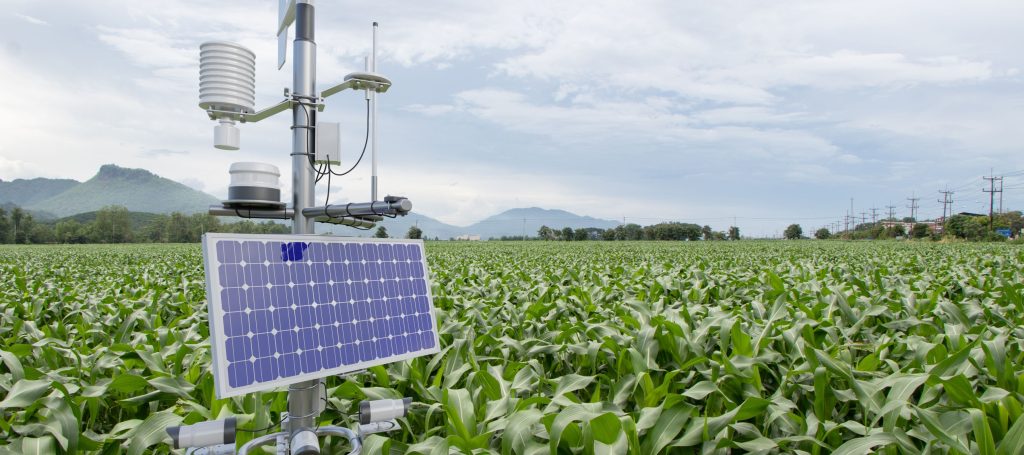
Connected sensors can monitor soil PH levels and weather conditions to enable tailored responses to specific conditions, resulting in decreased fertiliser and water use, increased crop yields, reduced environmental impacts, lower input costs and improved margins.
With many geographies becoming increasingly water constrained, wireless moisture sensors can also enable automated irrigation only when needed, resulting in significant net savings.
Livestock
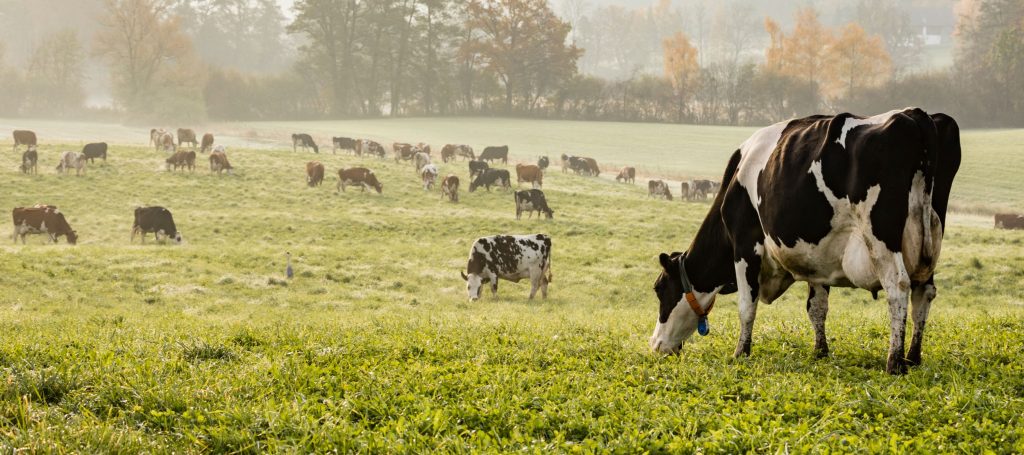
Livestock monitoring can provide significant benefits to both productivity and animal wellbeing.
Wireless technology can enable the monitoring of animal health, including fertility and birth complications, as well as the constraint of movement through tracking and geo-fencing.
These applications can produce substantial labour efficiencies, enabling increasingly limited human resources to be applied where they are really needed.
Automation
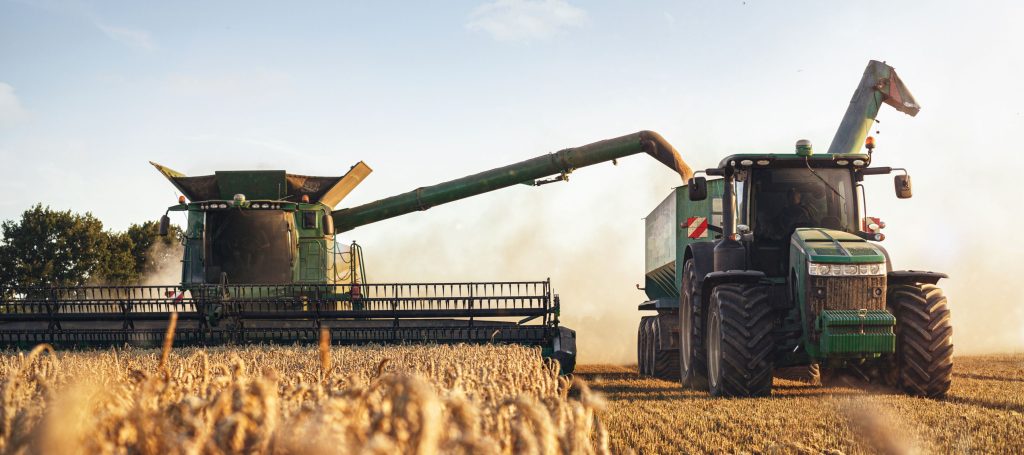
Another area where humans are increasingly able to hand-over to automation is in the operation of vehicles.
Precision GPS and reliable high bandwidth and low latency data connections are increasingly enabling autonomous vehicles to complete normally hands-on tasks including weeding, spraying, irrigation, ploughing and harvesting.
Data
Finally, integral to all of these applications is the collection and management of data.
As data is collected and analysed in the cloud, it can be used to spot trends, optimise processes, anticipate threats and improve business operations. By monitoring and analysing the usage rates of key resources, data-driven connected systems can ensure supplies and workers are used prioritised where they are most required, leading to significant savings in what is an increasingly volatile market.
A study by the United States of Equipment Manufacturers confirms that when connectivity is at the foundation an agriculture business, costs fall and productivity rises.
The study found that when precision agriculture was utilised, businesses saw an 8% reduction in fertiliser use, 9% reduction in herbicide use, 7% reduction in fuel consumption and 5% reduction in water use, while crop farming productivity rose by 5%.
Conclusion
Reliable, fit-for-purpose data pipelines are critical for these connected applications and their potential benefits, and there is no one size fits all solution.
LoRa and LPWAN present a great option for sensors and weather stations transmitting a small amount of data over longer ranges, while high bandwidth 5G connections along with precision GPS are required for autonomous vehicle applications. Satellite IoT applications finally offer a solution for the most remote locations where terrestrial networks are never going to represent an appropriate solution.
The communications antenna represents a vital component in ensuring reliable connectivity across all these technologies and applications. A sensor in a field will need a small and robust antenna which can withstand all weathers and resist chemical stress, whilst being highly efficient to optimise battery life. A remote-controlled device may require a durable compact solution covering lower frequency bands like 433, 868 or 915MHz, while an autonomous vehicle is likely to require a hardened combination antenna supporting multiple technologies like 4G/5G, WiFi and precision GPS which can also withstand impact from stones and branches and aggressive cleaning.
Panorama Antennas is a trusted partner for connected agriculture antennas.
We understand that the industry needs antennas that meet these specific requirements, but we also recognise that the most important requirement is that the antenna works quietly, consistently and for the lifetime of the application.
That’s why we engineer antenna solutions specifically for connected agriculture applications and ensure that our partners in the industry can concentrate on overcoming the challenges facing them and leave the antennas to us.